
The U.S. health supplement market is booming, with consumers increasingly prioritizing wellness and preventive healthcare. For brands looking to enter or expand in this competitive industry, selecting the right OEM/ODM partner is crucial. A reliable manufacturer ensures product quality, regulatory compliance, and timely delivery—key factors that influence brand reputation and market success.
This guide explores essential considerations when choosing an OEM/ODM partner for health supplements, covering regulatory compliance, production capabilities, and long-term collaboration potential.
1. Evaluating Regulatory Compliance and Certifications
Navigating the complex regulatory landscape of the U.S. health supplement industry requires a partner with stringent compliance standards.
1.1 FDA and cGMP Compliance
Ensure the manufacturer operates under FDA guidelines and holds current Good Manufacturing Practices (cGMP) certification. These standards guarantee adherence to quality control, sanitation, and traceability protocols.
1.2 Ingredient Sourcing and Transparency
Verify that the partner sources ingredients from reputable suppliers and provides documentation (e.g., Certificates of Analysis) to validate purity and potency. Transparency in the supply chain minimizes risks of contamination or adulteration.
1.3 Labeling and Claims Compliance
The FDA prohibits unsubstantiated health claims. A qualified partner will help design labels that meet FTC and FDA requirements, avoiding legal pitfalls.

2. Assessing Production Capabilities and Expertise
A manufacturer’s technical proficiency directly impacts product innovation and scalability.
2.1 Range of Product Formats
Look for partners experienced in your desired formats (e.g., tablets, capsules, gummies, powders). Specialized equipment and expertise ensure consistent quality across product types.
2.2 R&D and Custom Formulation Support
Choose a partner with in-house R&D teams to develop custom formulations tailored to your target audience (e.g., vegan, allergen-free, or bioavailable options).
2.3 Scalability and Lead Times
Confirm the manufacturer’s capacity to scale production during peak demand without compromising quality. Clear communication about lead times prevents supply chain disruptions.
2.4 Quality Control Measures
Inquire about in-process testing, stability studies, and third-party lab validation to ensure batch-to-batch consistency and shelf-life accuracy.
3. Ensuring Long-Term Partnership Potential
A strategic OEM/ODM relationship extends beyond transactional production to shared growth.
3.1 Communication and Responsiveness
Prioritize partners with dedicated account managers and transparent communication channels. Regular updates on project milestones foster trust.
3.2 Flexibility and Customization
Opt for manufacturers offering flexible MOQs (Minimum Order Quantities) and packaging solutions (e.g., private labeling, custom branding) to align with your market strategy.
3.3 Sustainability and Ethical Practices
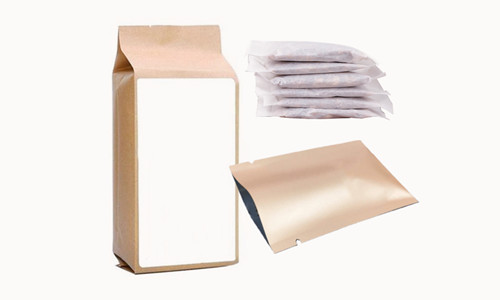
Consumers increasingly value eco-friendly practices. Partners committed to sustainable sourcing, reduced waste, and ethical labor practices enhance your brand’s appeal.
3.4 Track Record and References
Review case studies or client testimonials to gauge the manufacturer’s reliability. Site visits or virtual tours can further validate their operations.
Conclusion
Selecting the right OEM/ODM partner for U.S. health supplements demands thorough due diligence. By prioritizing regulatory expertise, production excellence, and collaborative potential, brands can establish a foundation for success in a competitive market. A trusted manufacturer not only delivers high-quality products but also becomes a strategic ally in navigating industry challenges and opportunities.
Invest time in vetting potential partners—your brand’s reputation and growth depend on it.