
The health care industry in the United States is constantly evolving, driven by advancements in technology, changing consumer preferences, and the need for more efficient and sustainable practices. One of the most critical areas of innovation is in the packaging and design of health care products. As Original Equipment Manufacturers (OEMs) strive to meet the needs of both consumers and regulatory bodies, they are constantly pushing the boundaries of what is possible. This article explores the latest innovations in U.S. health care product packaging and design, highlighting the trends, technologies, and strategies that are shaping the future of this dynamic sector.
I. The Importance of Innovative Packaging and Design
Enhancing Patient Safety
In the health care industry, safety is paramount. Innovative packaging and design play a crucial role in ensuring that health care products are used correctly and safely. For example, child-resistant packaging helps prevent accidental ingestion of medications, while tamper-evident seals provide an additional layer of security. Additionally, clear and concise labeling, along with easy-to-open packaging, can help patients adhere to their treatment plans more effectively.
Meeting Regulatory Requirements
Regulatory bodies such as the FDA have stringent guidelines for the packaging and labeling of health care products. These regulations are designed to protect consumers and ensure that products are accurately represented. OEMs must stay abreast of these regulations and incorporate them into their packaging and design strategies. Innovative solutions, such as smart packaging that can track product authenticity and expiration dates, are becoming increasingly important in meeting these regulatory demands.
Enhancing Brand Identity
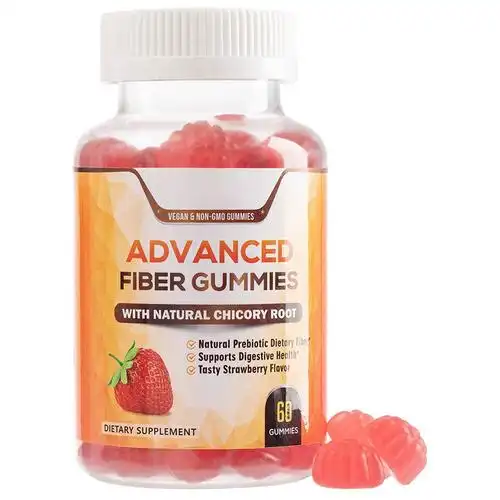
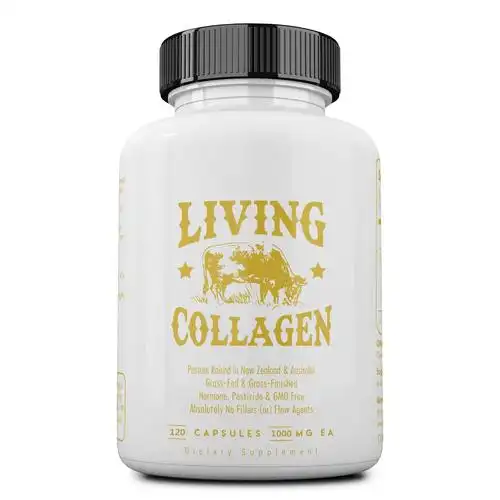
Packaging and design are not just functional; they are also critical components of brand identity. In a highly competitive market, health care products need to stand out on the shelves. Innovative packaging can help differentiate a product from its competitors, convey its benefits, and build trust with consumers. By leveraging cutting-edge design techniques and materials, OEMs can create packaging that is both visually appealing and functional, enhancing the overall brand experience.
II. Technological Advances in Packaging and Design
Smart Packaging Solutions
One of the most exciting areas of innovation in health care product packaging is the integration of smart technologies. Smart packaging includes features such as RFID tags, QR codes, and sensors that can provide real-time information about the product. For example, temperature-sensitive indicators can ensure that vaccines and other temperature-sensitive medications are stored and transported correctly. RFID tags can help track inventory and prevent counterfeiting, while QR codes can provide consumers with additional information about the product, such as usage instructions and safety warnings.
Sustainable Materials
As environmental concerns continue to grow, there is a significant push towards more sustainable packaging solutions. OEMs are increasingly using eco-friendly materials such as biodegradable plastics, recycled paper, and plant-based inks. These materials not only reduce the environmental impact of packaging but also appeal to consumers who are increasingly conscious of sustainability. Additionally, innovations in packaging design, such as reducing the amount of material used and optimizing the packaging for transportation, can further minimize the carbon footprint of health care products.
Advanced Printing Techniques
Advancements in printing technology are also playing a significant role in the innovation of health care product packaging. Digital printing allows for highly detailed and customizable designs, enabling OEMs to create unique packaging for each product. This technology also supports the use of variable data printing, which can include personalized messages or unique batch numbers on each package. UV printing, on the other hand, offers high durability and vibrant colors, making the packaging more visually appealing and resistant to wear and tear.
III. Design Strategies for Effective Packaging
User-Centric Design
Innovative packaging and design in the health care industry must prioritize the needs of the end-users. User-centric design focuses on creating packaging that is easy to use, understand, and open. For example, packaging for elderly patients or those with limited dexterity should be designed with larger, easier-to-grip components and clear, readable labeling. Additionally, incorporating features such as easy-open seals and resealable closures can enhance the user experience and improve patient compliance.
Multi-Functional Packaging
Modern health care product packaging is often designed to serve multiple functions beyond just containing the product. For example, some packaging includes built-in dispensers, applicators, or measuring devices, making it more convenient for patients to use the product correctly. Multi-functional packaging can also help reduce waste by eliminating the need for additional accessories or tools. By integrating these features into the design, OEMs can create a more seamless and efficient user experience.
Aesthetic Appeal and Brand Differentiation
While functionality is essential, the aesthetic appeal of packaging cannot be overlooked. In a crowded market, health care products need to stand out visually to attract consumers. Innovative design strategies, such as using bold colors, unique shapes, and creative graphics, can help differentiate a product from its competitors. Additionally, incorporating elements that reflect the brand's values, such as sustainability or innovation, can further enhance the brand's image and build consumer trust.
Innovation in the packaging and design of health care products is not just a trend; it is a necessity. As the industry continues to evolve, OEMs must stay at the forefront of technological advancements, regulatory requirements, and consumer preferences. By focusing on enhancing patient safety, leveraging technological innovations, and implementing user-centric design strategies, OEMs can create packaging that is both functional and visually appealing. The future of health care product packaging and design is bright, with endless possibilities for improving the user experience, protecting the environment, and building strong brand identities.